Portable Grills
Weber Go-Anywhere Review: Long-Term Use on the Patio and at Camp
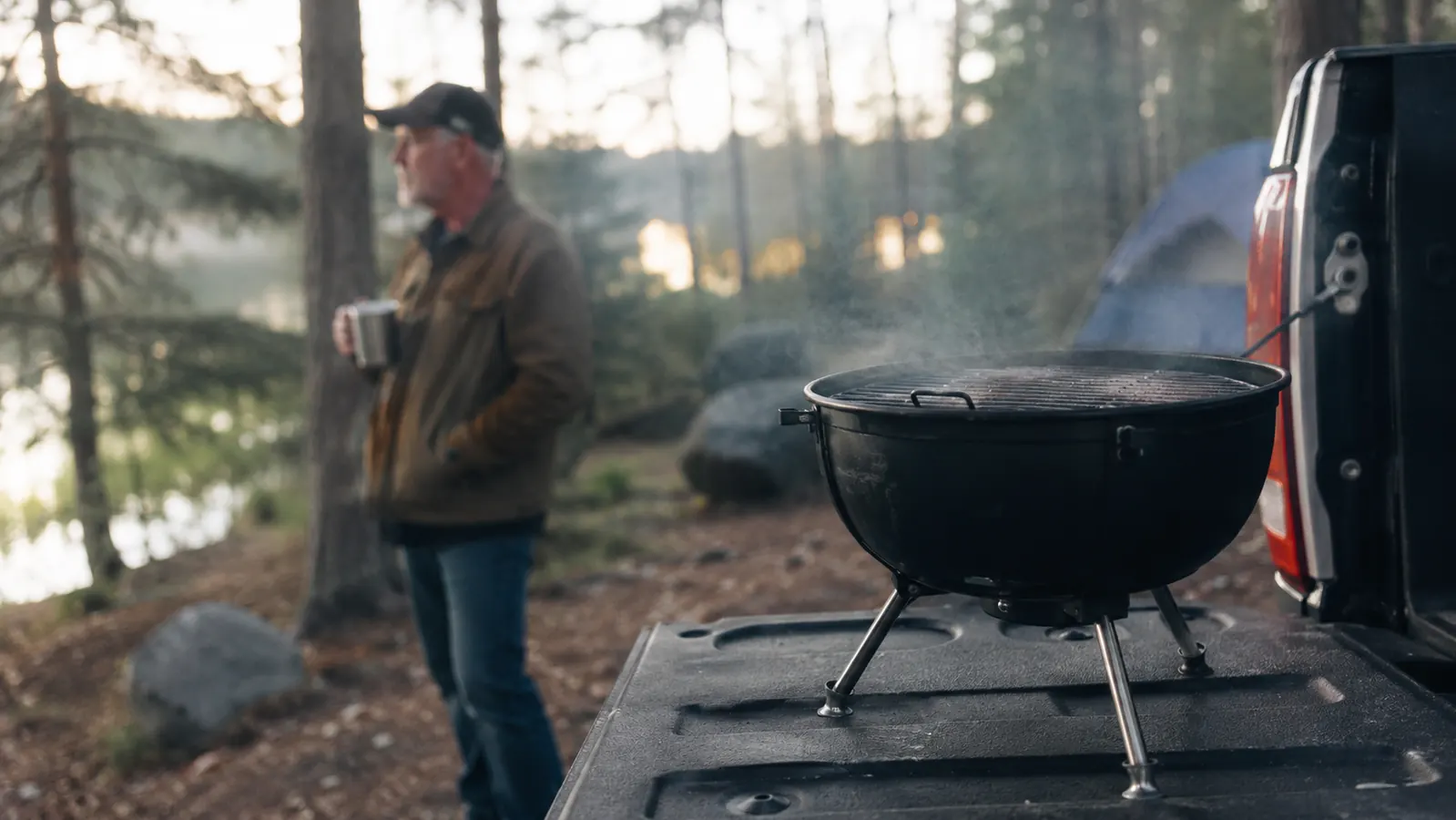
Two seasons in a truck bed, one wet Oregon spring under a patio cover, and an honest look at what 160 square inches will and will not cook.
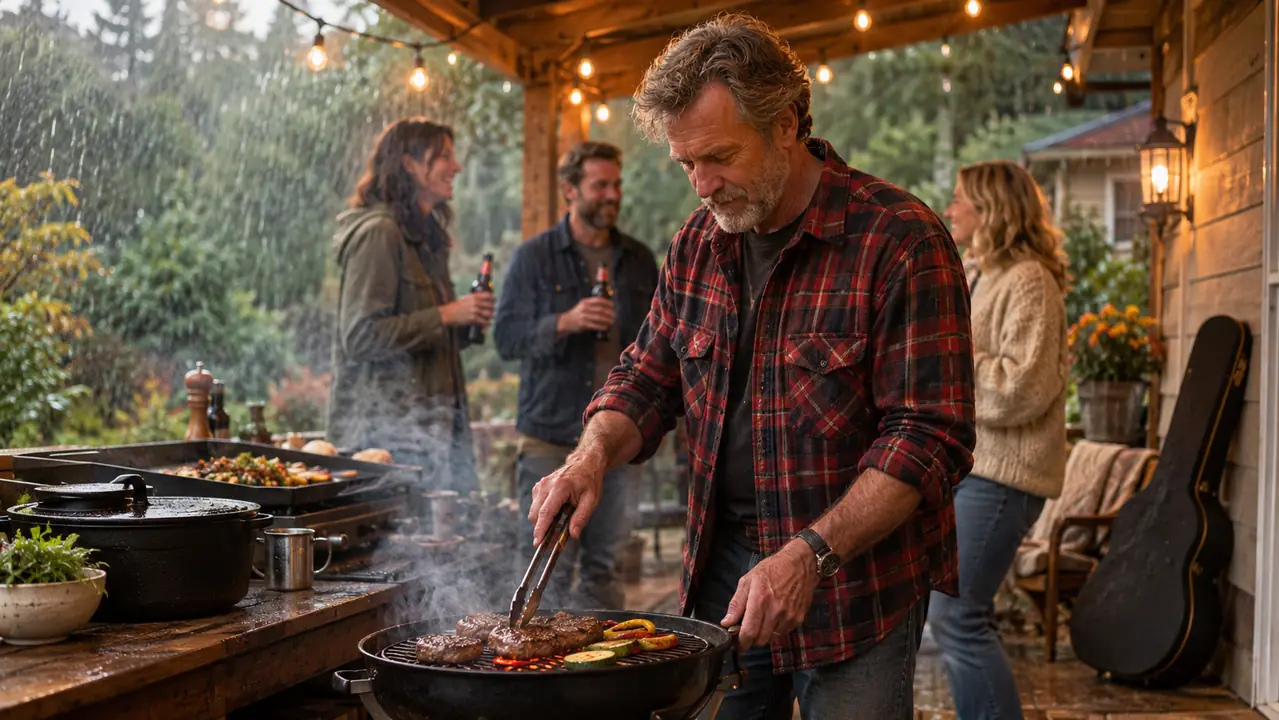
Eleven years of hauling a full kettle to the coast, and what a 14 pound rectangular grill did to the way we cook on weekends.
Two seasons in a truck bed, one wet Oregon spring under a patio cover, and an honest look at what 160 square inches will and will not cook.
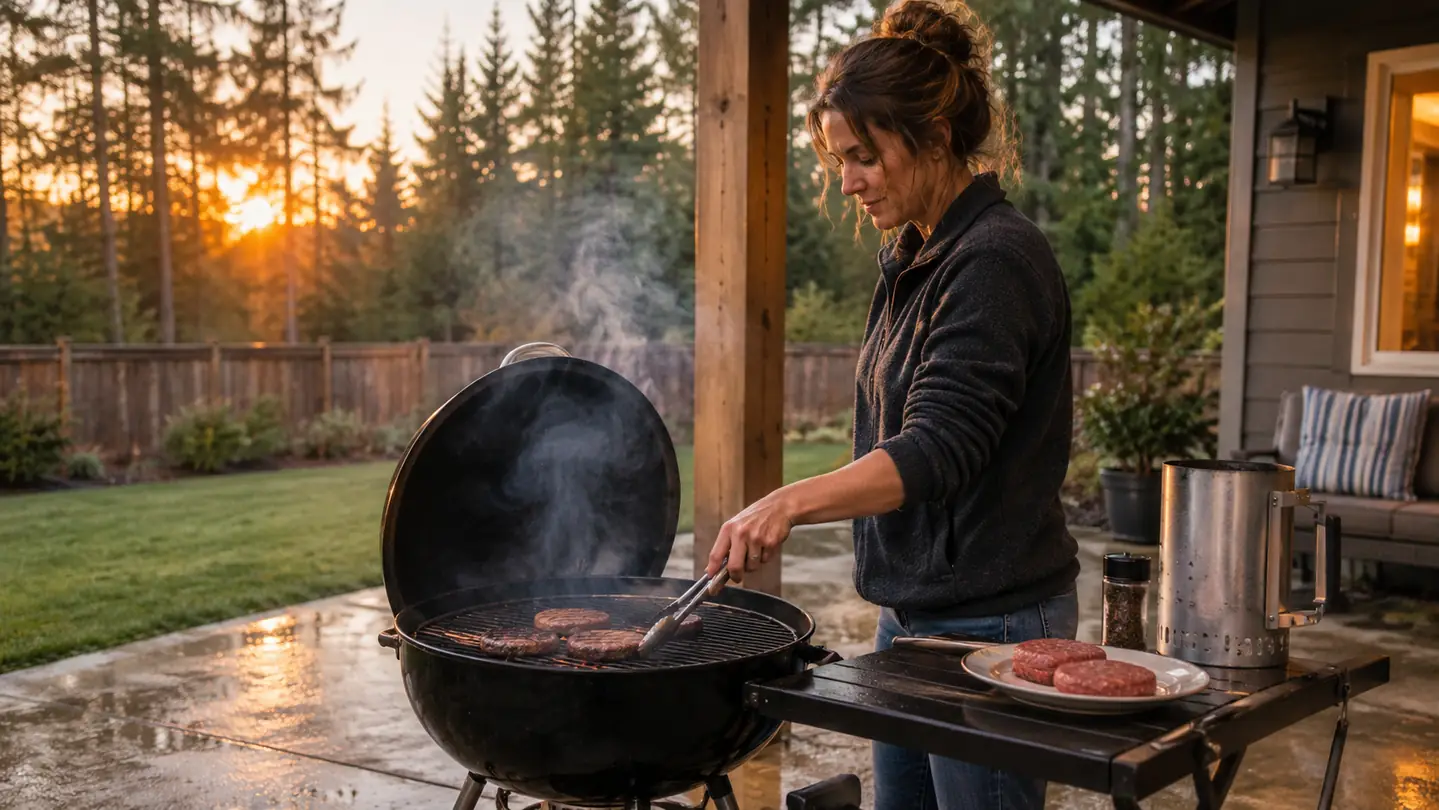
Three seasons of patio cooking and one windy weekend at the coast, with two small charcoal grills lit side by side. The smaller one is not automatically the smarter buy.
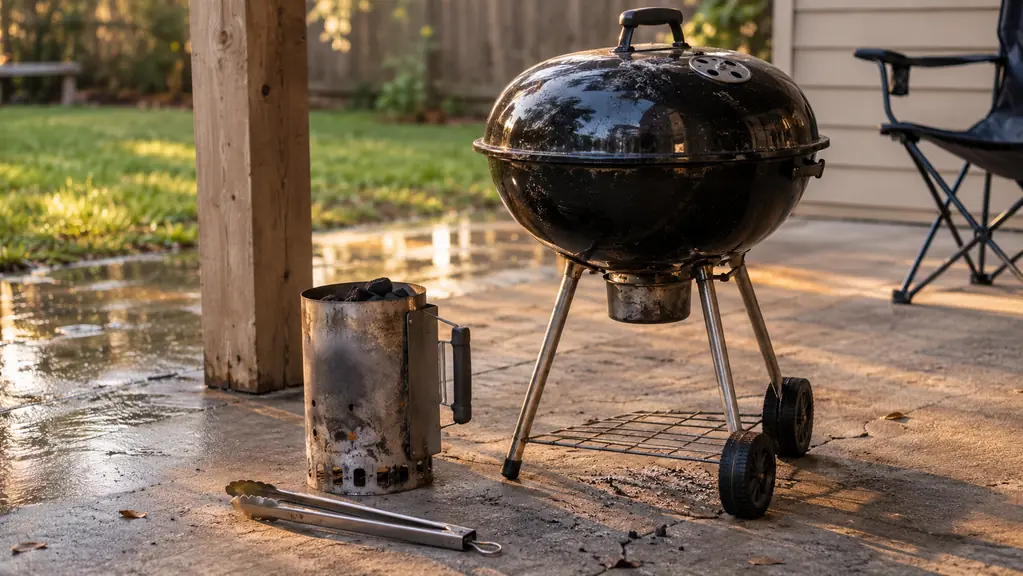
A small charcoal grill that lives on the patio pad and rides in the truck, and the ten practical reasons it earns both jobs.
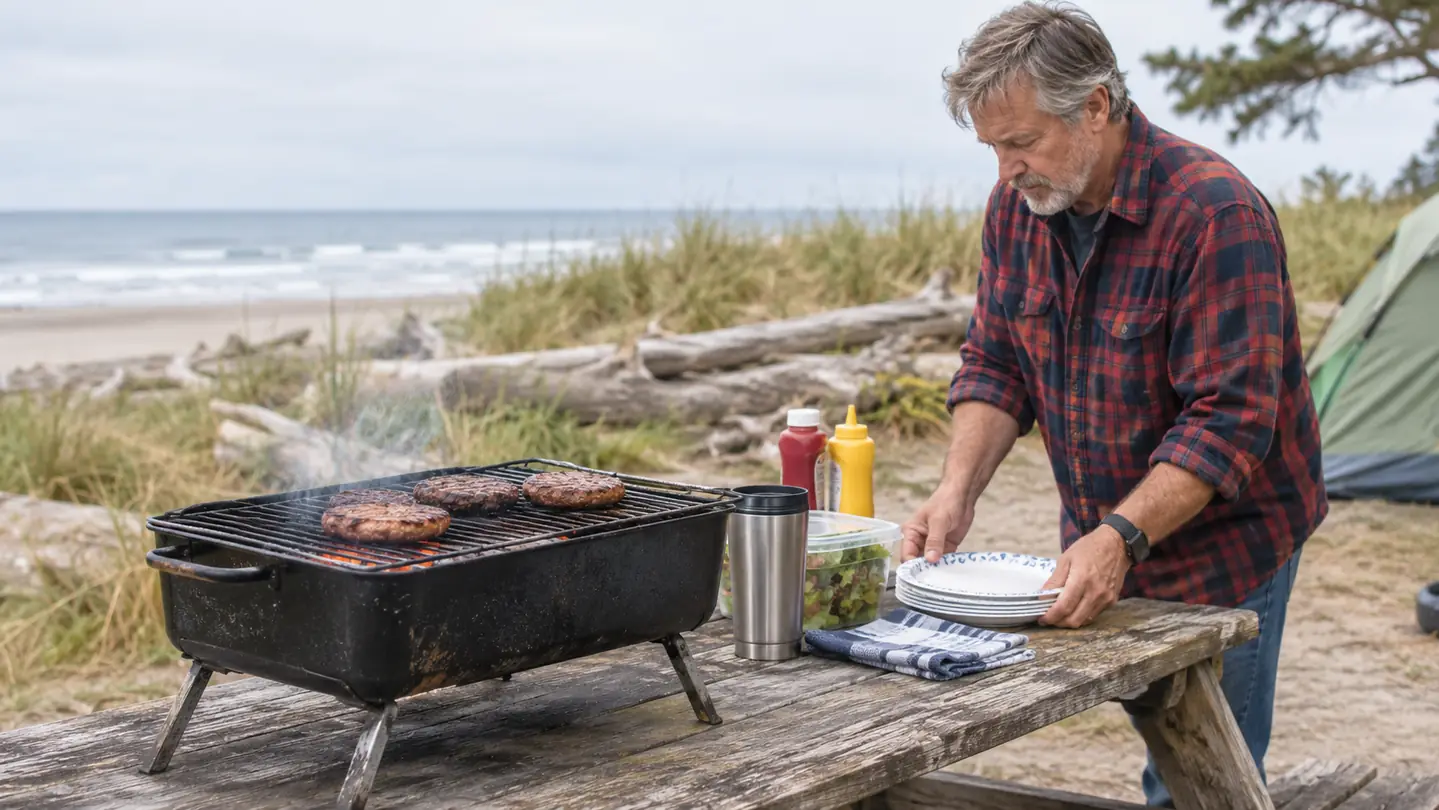
Eleven years of hauling a full kettle to the coast, and what a 14 pound rectangular grill did to the way we cook on weekends.
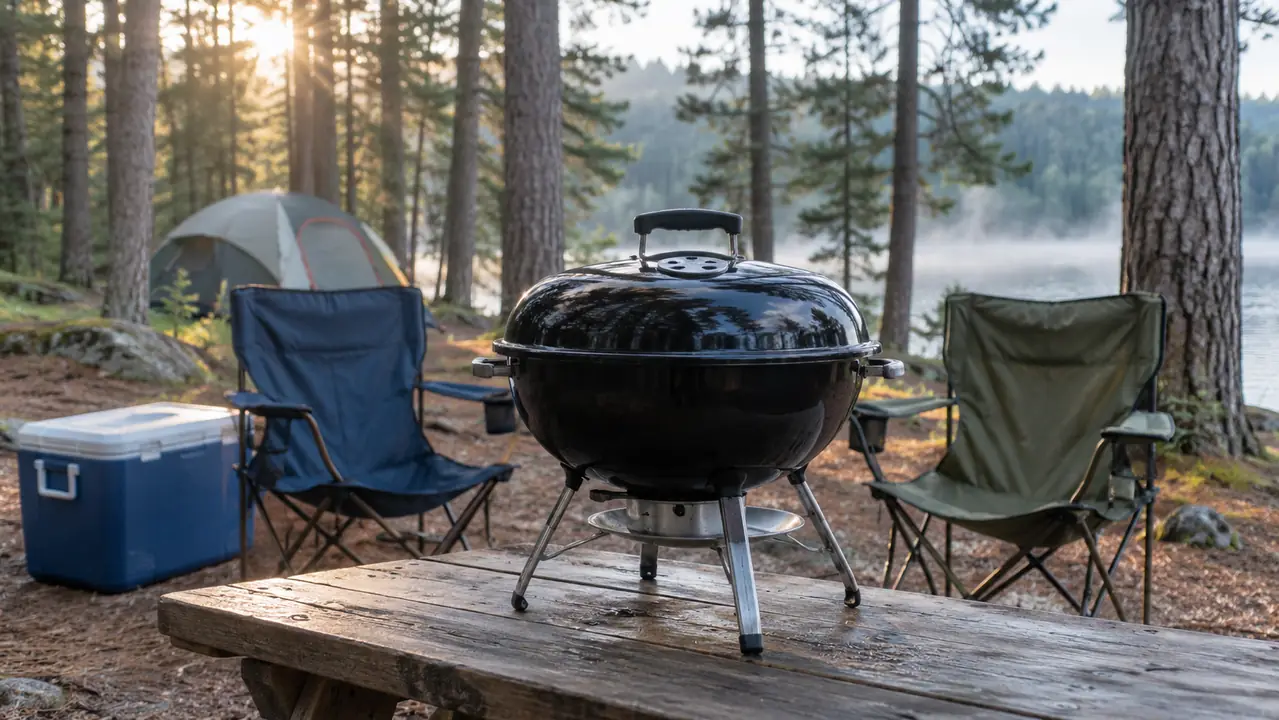
A five step routine for cooking over charcoal at a campsite, from checking the fire rules to putting the coals out dead.
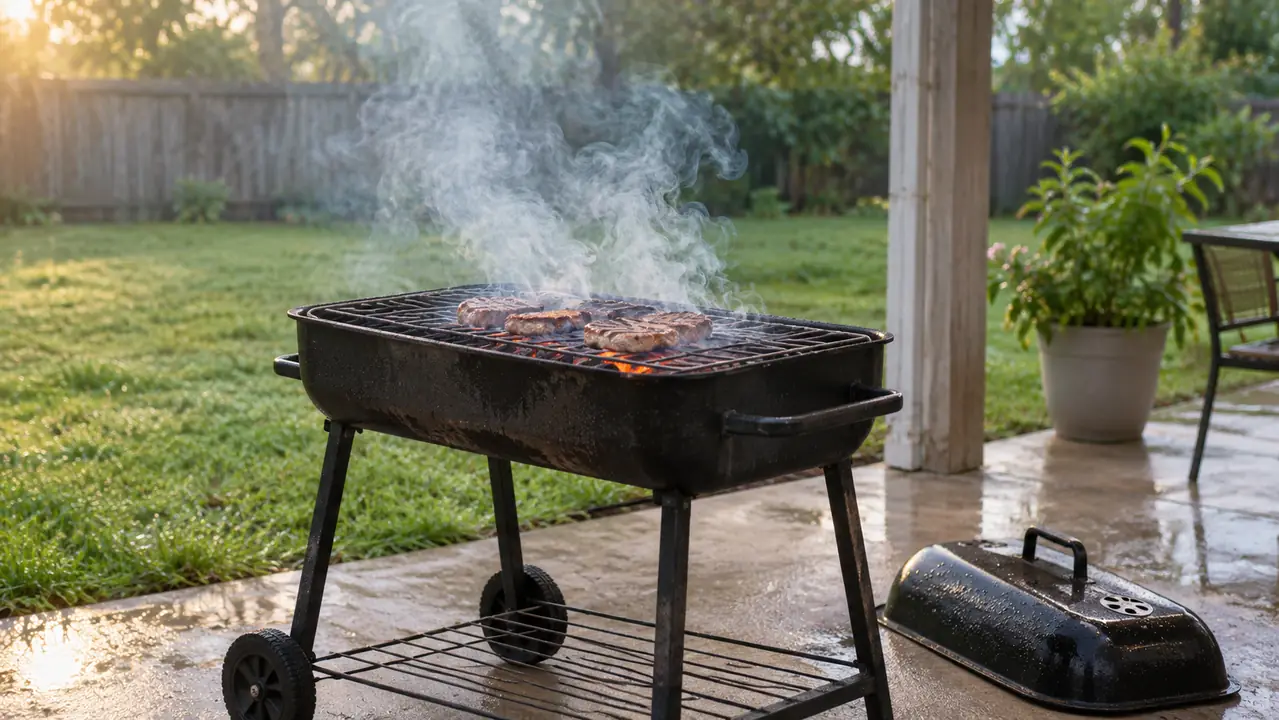
Several seasons with a 14-pound charcoal box that lives behind the truck seat. The parts that earn their keep, the parts that will annoy you every single time, and the trade Weber made on purpose.
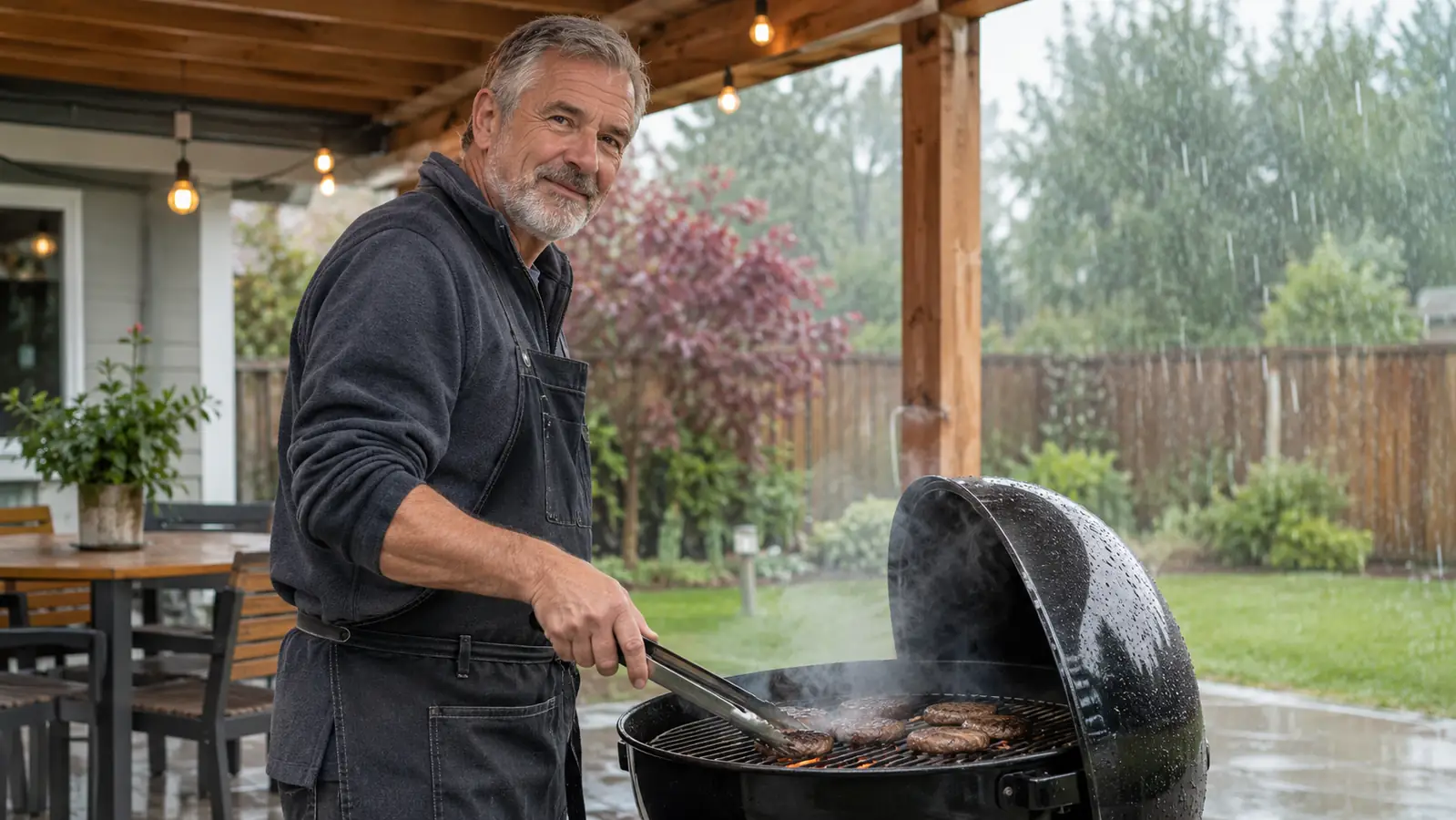
A year of pork shoulders, campfires, and one very wet February brisket, all with a single wireless probe and a phone sitting on the kitchen counter.
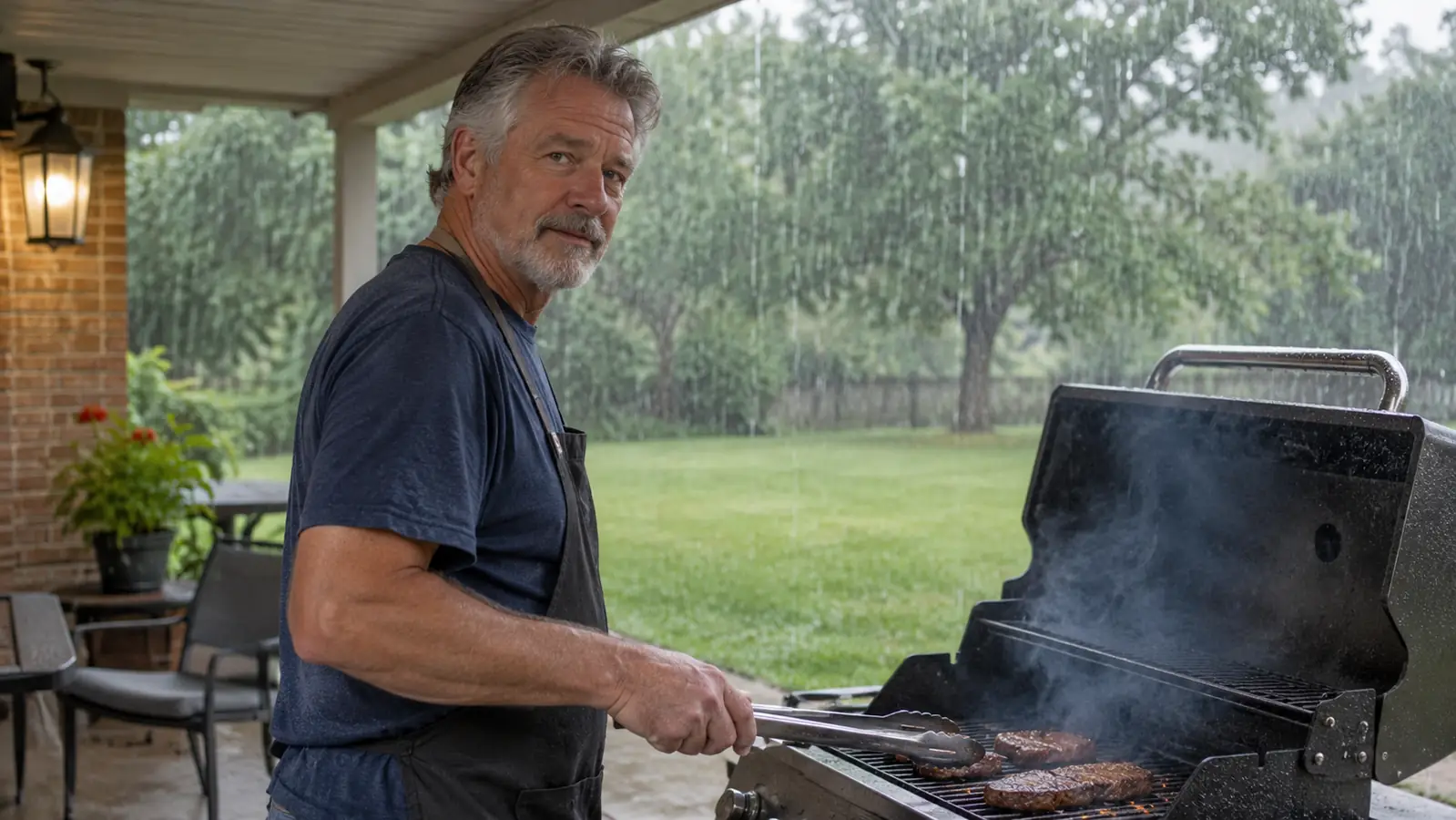
One is a single wireless probe with a repeater in the charger. The other is built around multi-probe kits. The right pick depends on how many cuts you actually monitor at once.

Ten practical reasons a wireless probe earns its spot in the kit, from a cook who would rather stand with the company than stare at a lid.
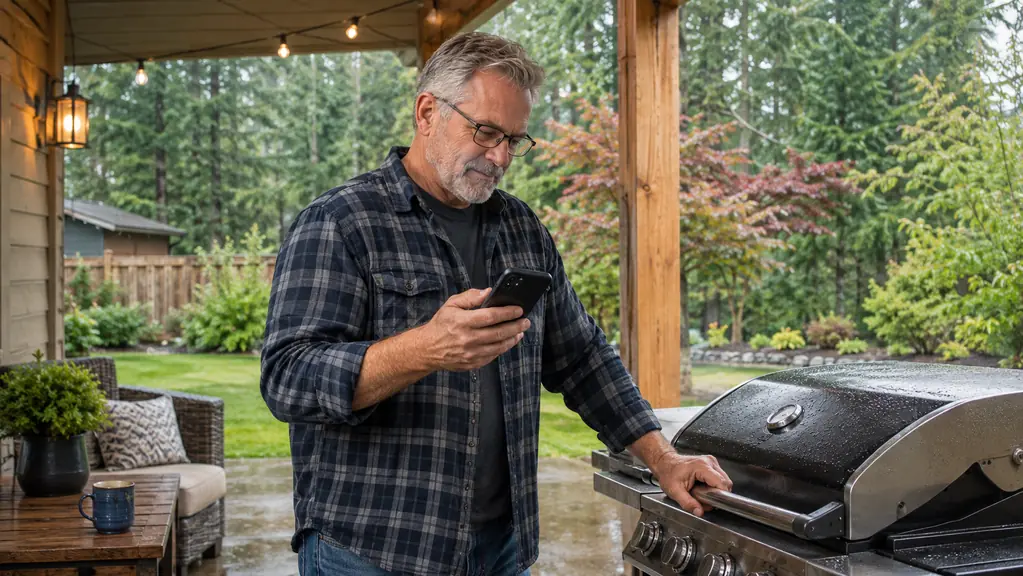
Thirty years of opening the lid to poke at a roast, and the fix turned out to be one probe and a phone in my pocket.
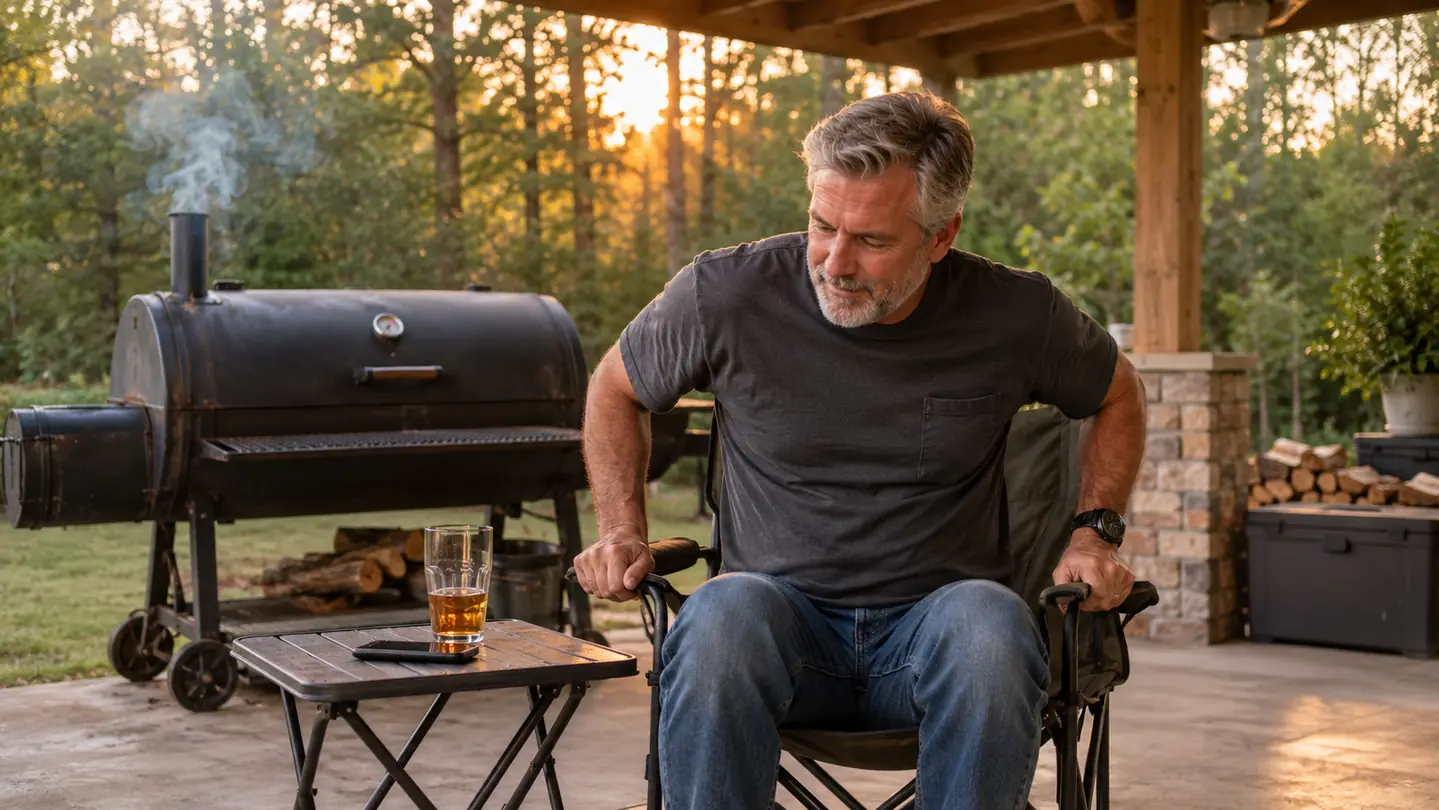
A five step routine for reading meat and pit temperature from the chair instead of the lid, built over a few seasons of long cooks on a covered patio.
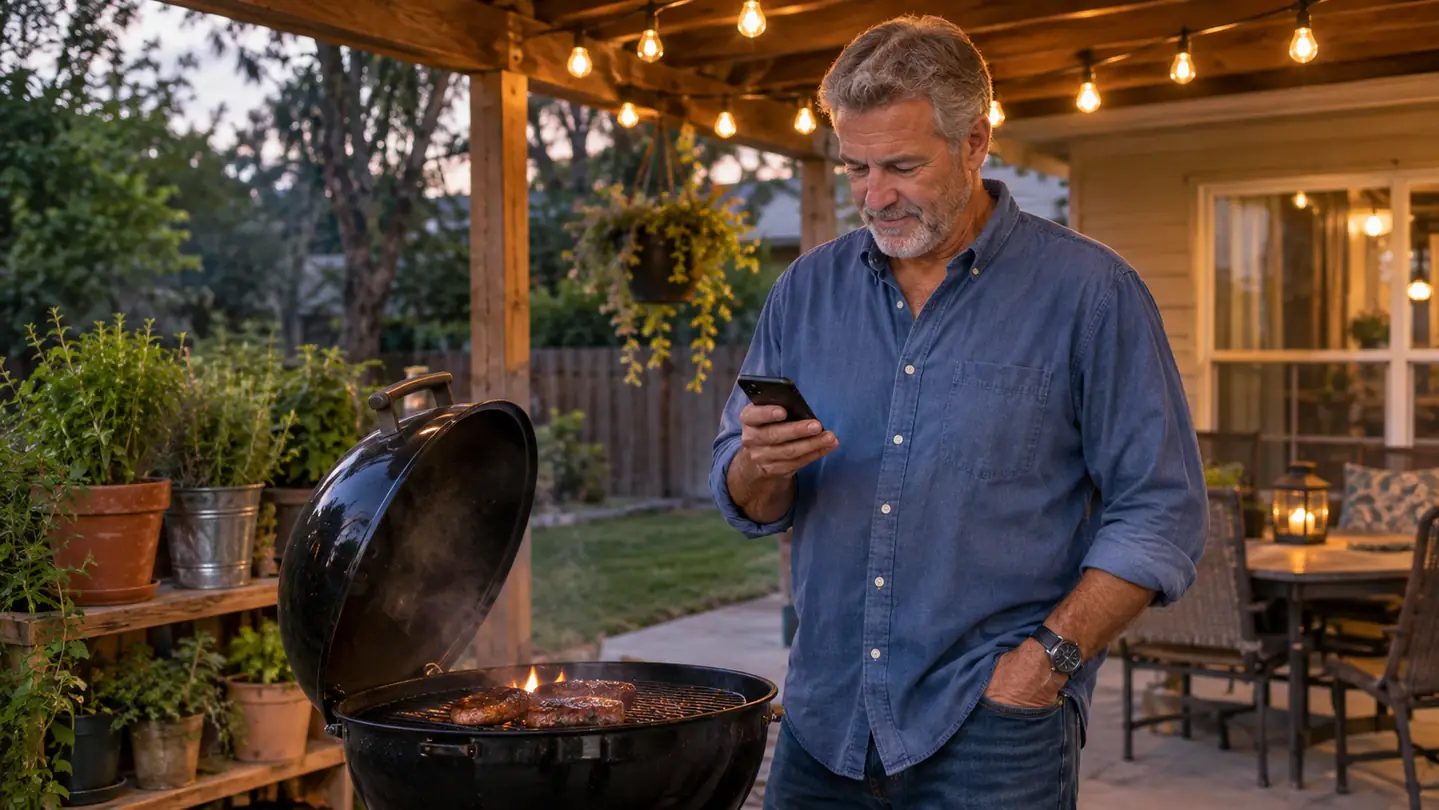
Six months on a Salem patio, a few camping trips, one wireless probe and a lot of chicken. Here is the part the listing skips.
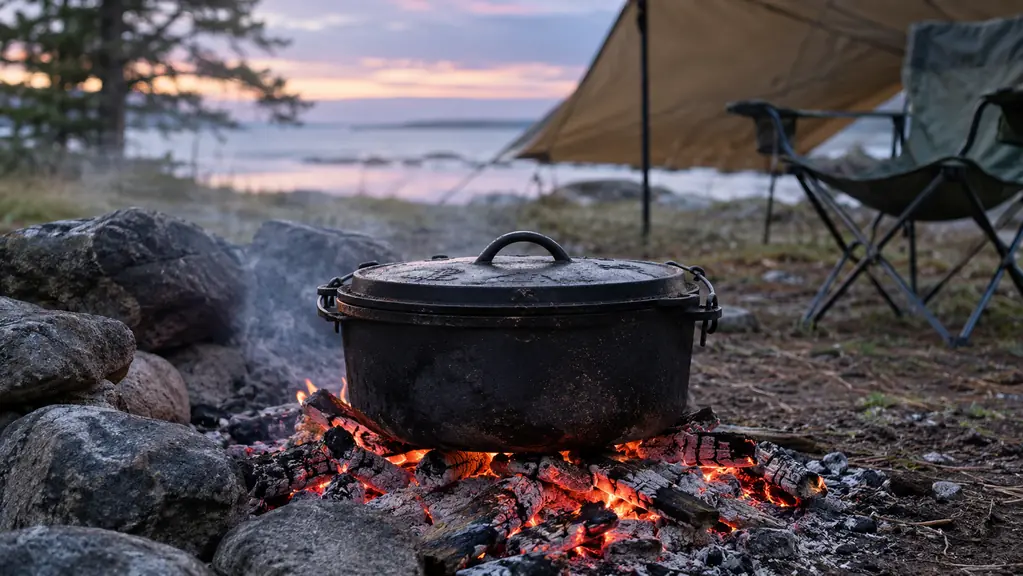
Nine years, one pot, and a lot of coals. What the 6 quart Lodge actually does well, and where it will make you work for it.
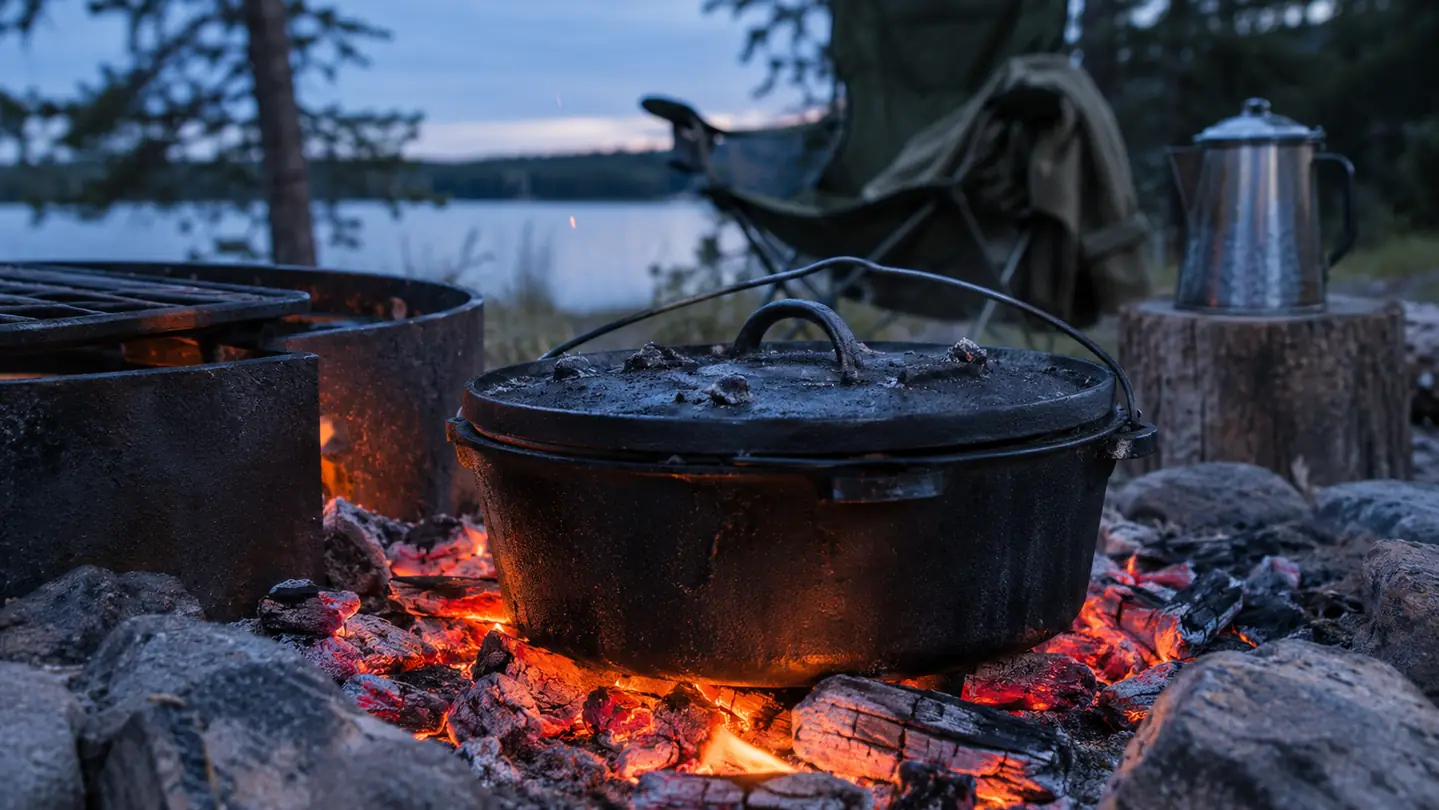
Two pre-seasoned six-quart camp ovens, one clear difference that shows up at breakfast, and a few honest reasons to buy the other one.
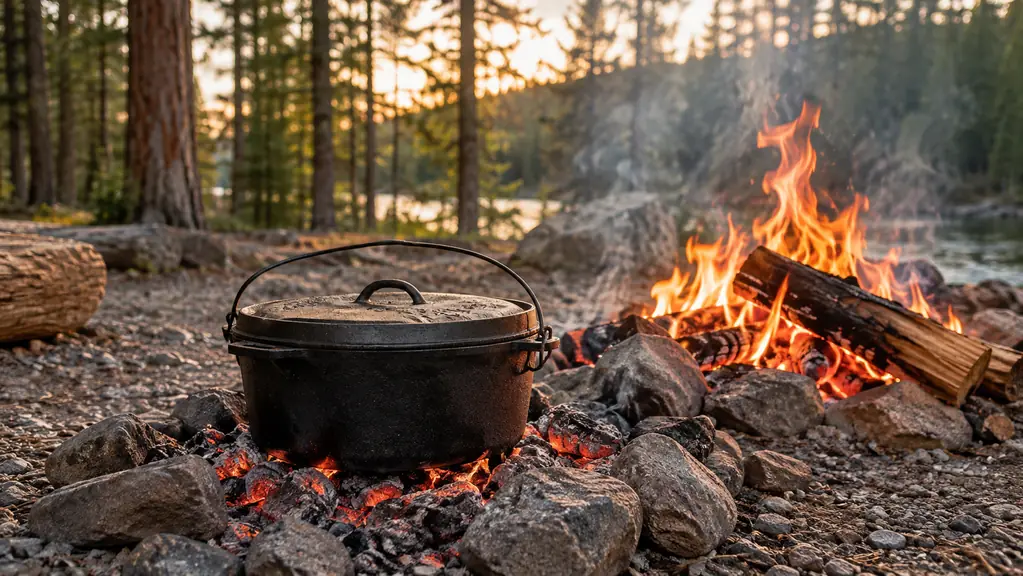
Ten practical reasons a Lodge camp Dutch oven earns its space in the truck, from a cook who has hauled one to the coast for years.
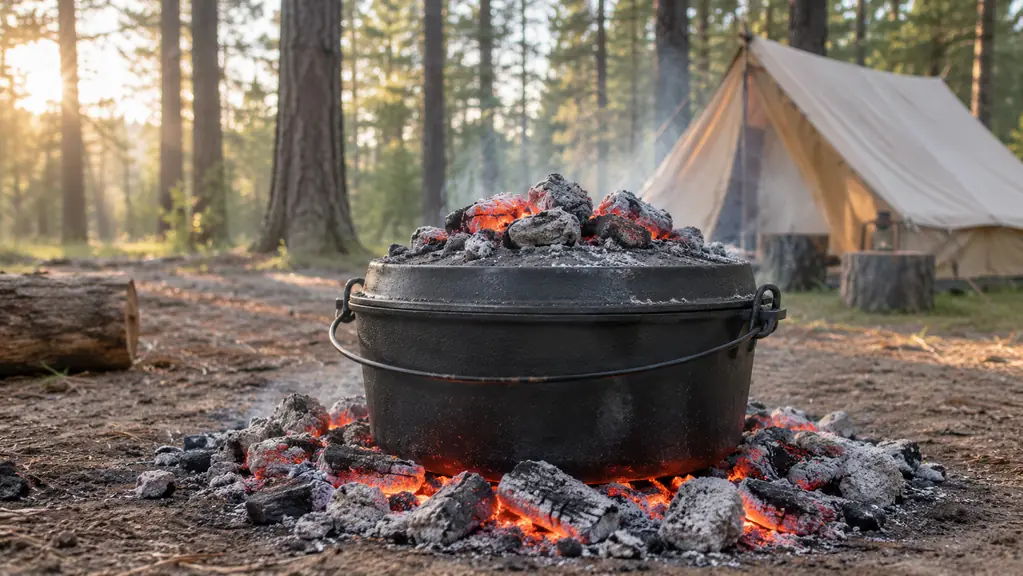
A 57-year-old backyard cook on the pot that let him sit down at his own campfire.
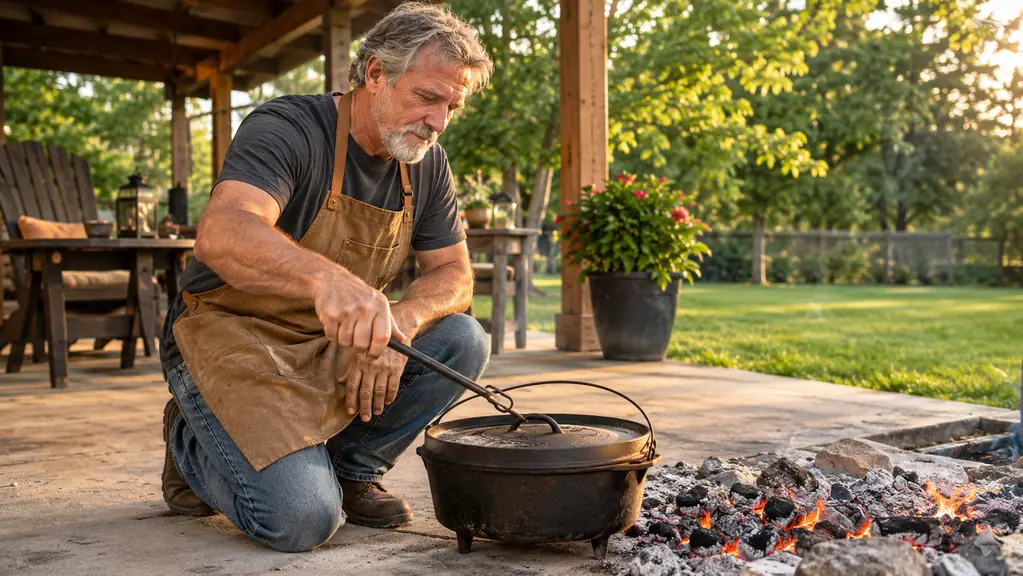
A practical coal-count method for real bread and bubbling cobbler in a cast iron camp oven, written for backyard cooks and weekend campers who would rather visit than babysit a fire.
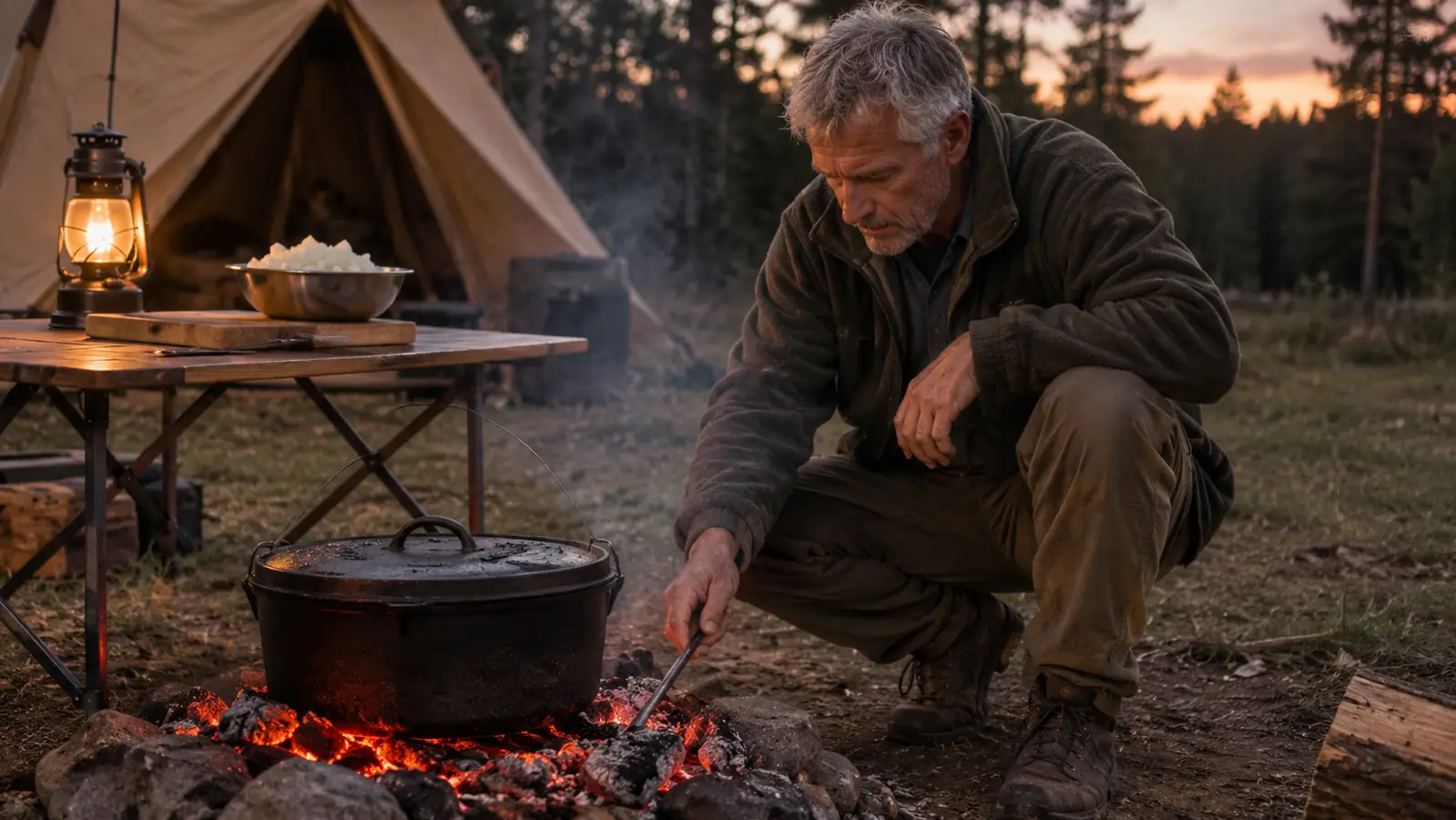
Two seasons, one pot, and the parts of camp cooking nobody puts on the box.
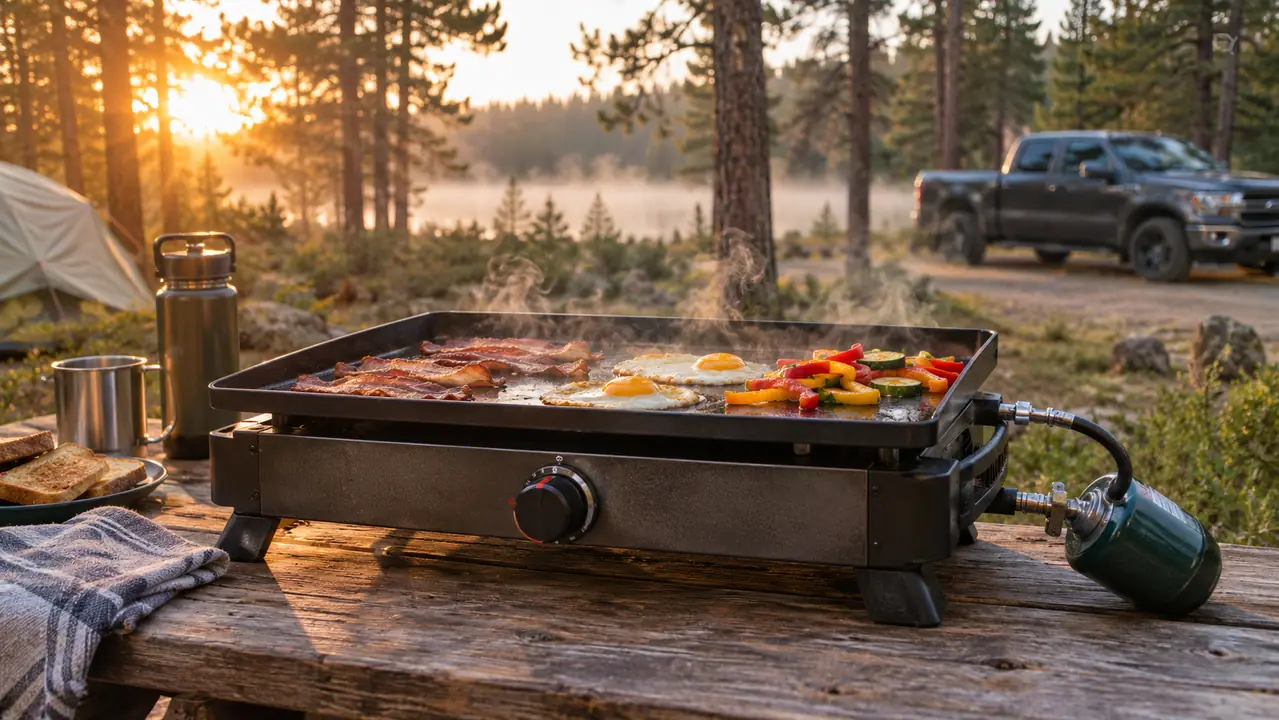
Two years of weekends, a handful of camping trips and a lot of pancakes later, here is what the 17 inch Blackstone actually does well and where it runs out of room.
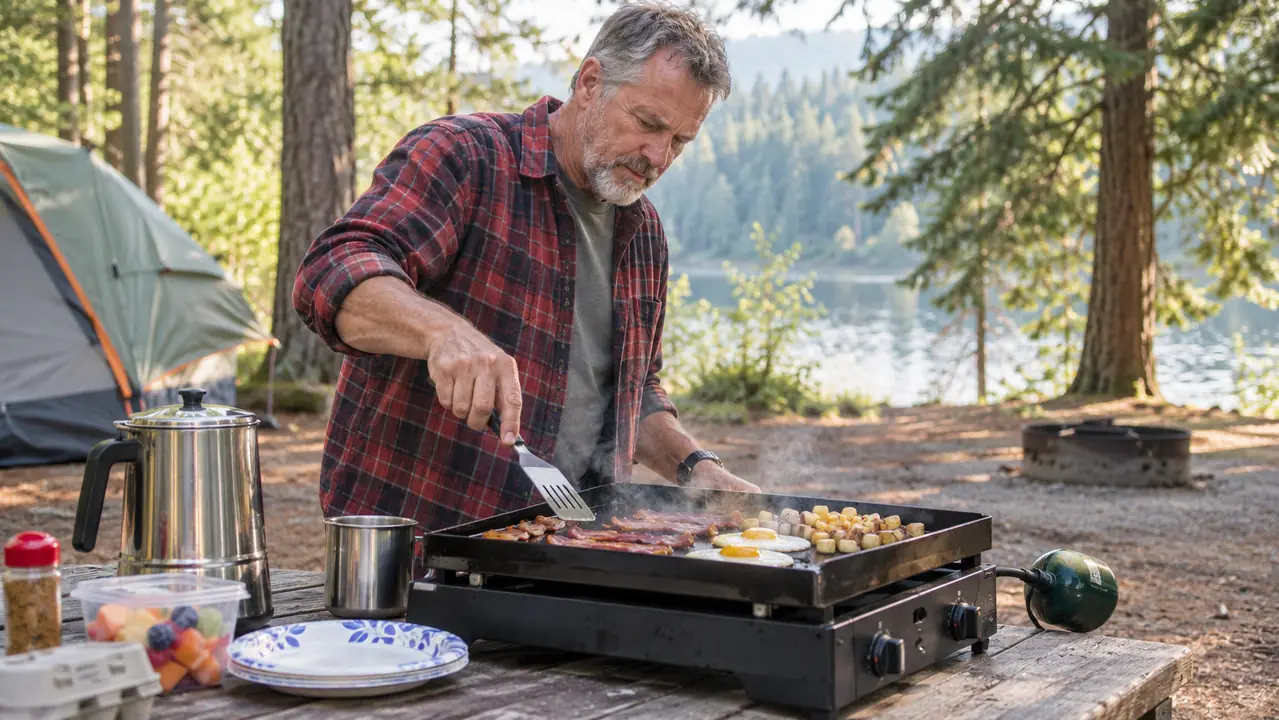
A practical comparison from a covered patio outside Salem, where a griddle has to earn its table space and its spot in the truck.
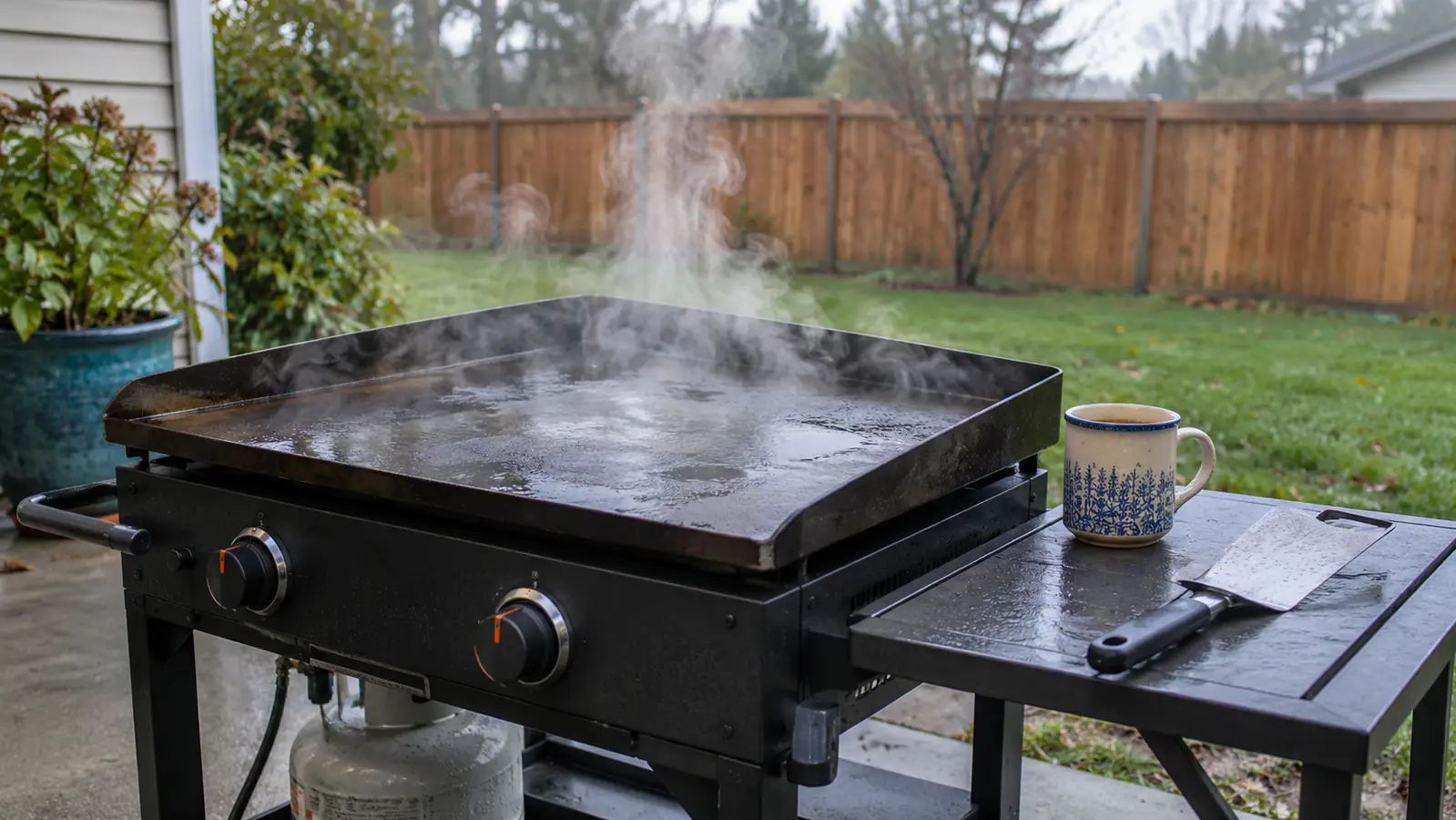
Ten practical reasons the flat top gets the Saturday shift while the grill stays under its cover.
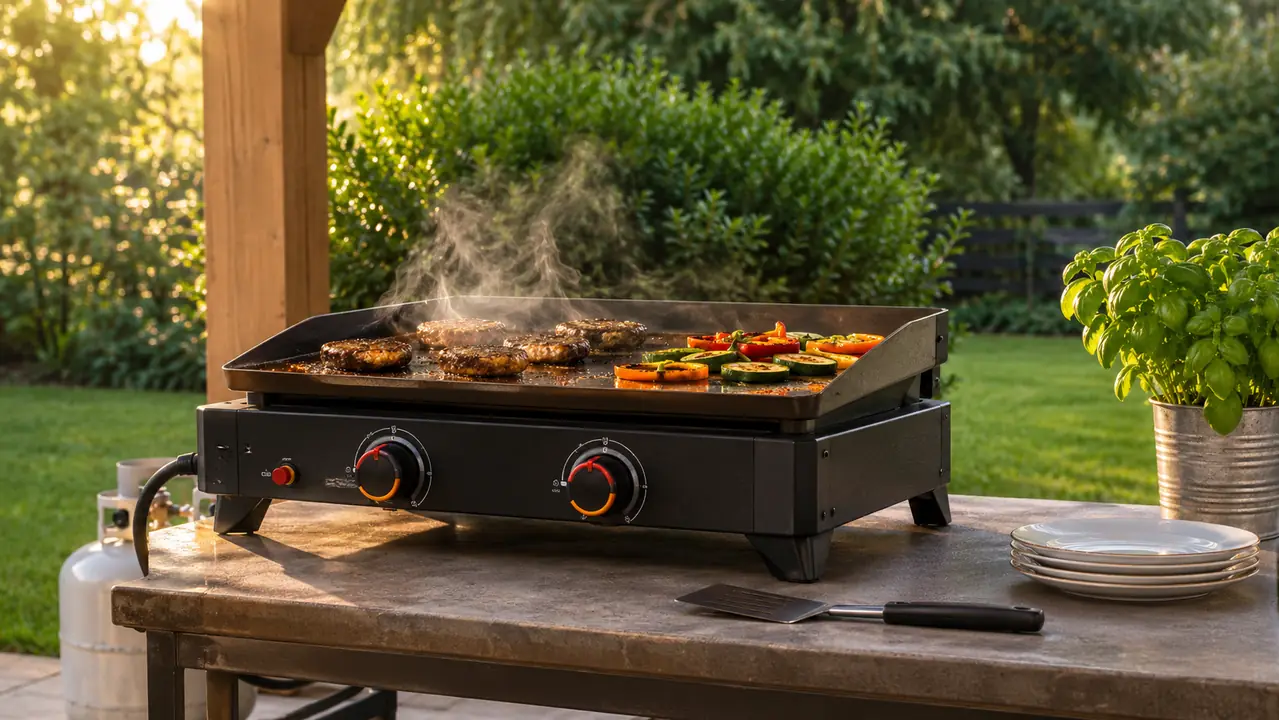
I bought a small propane griddle to stop hauling the big grill to campsites. It ended up changing how we cook at home on the patio, too.
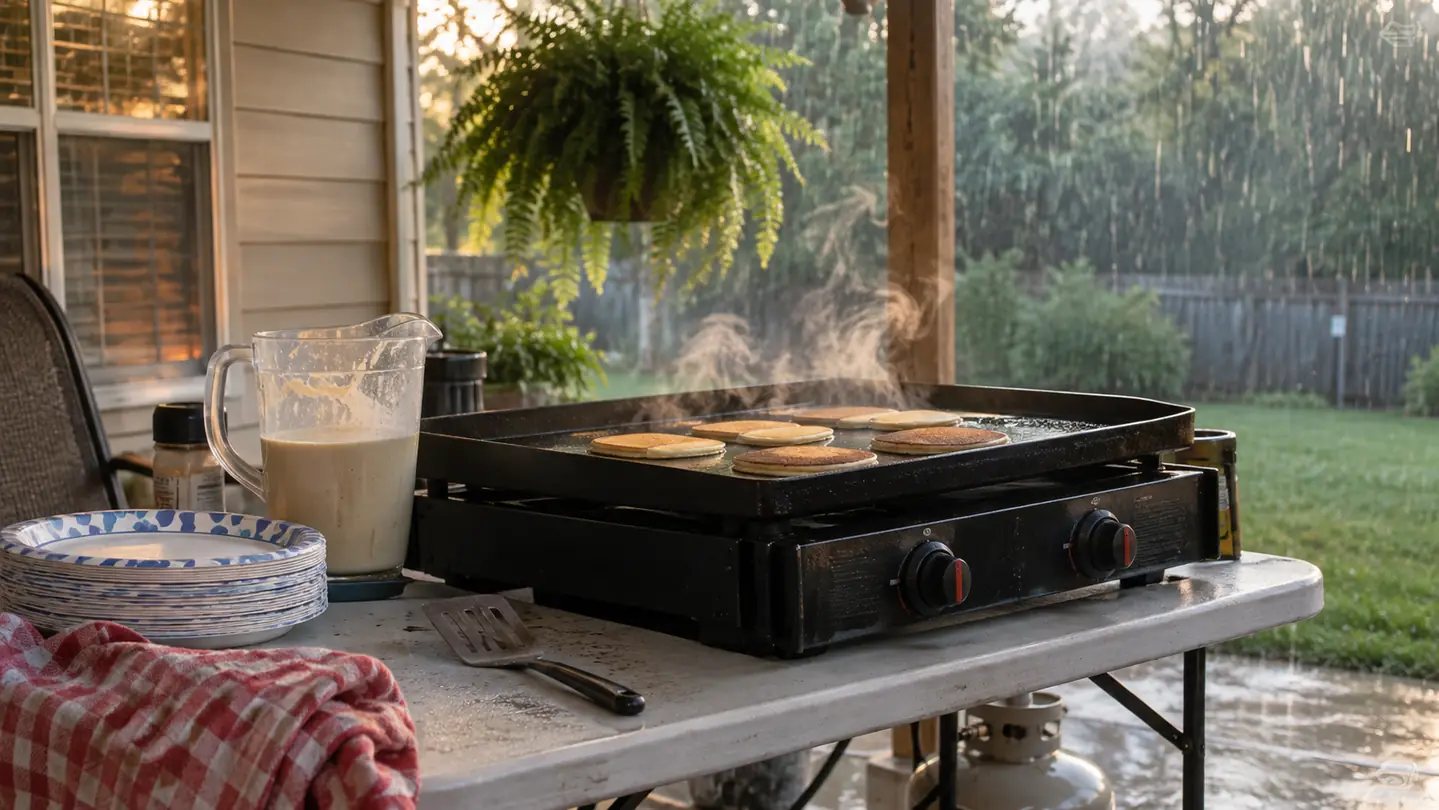
Five steps and one honest rule: nothing goes on the plate until you know what comes off it next.
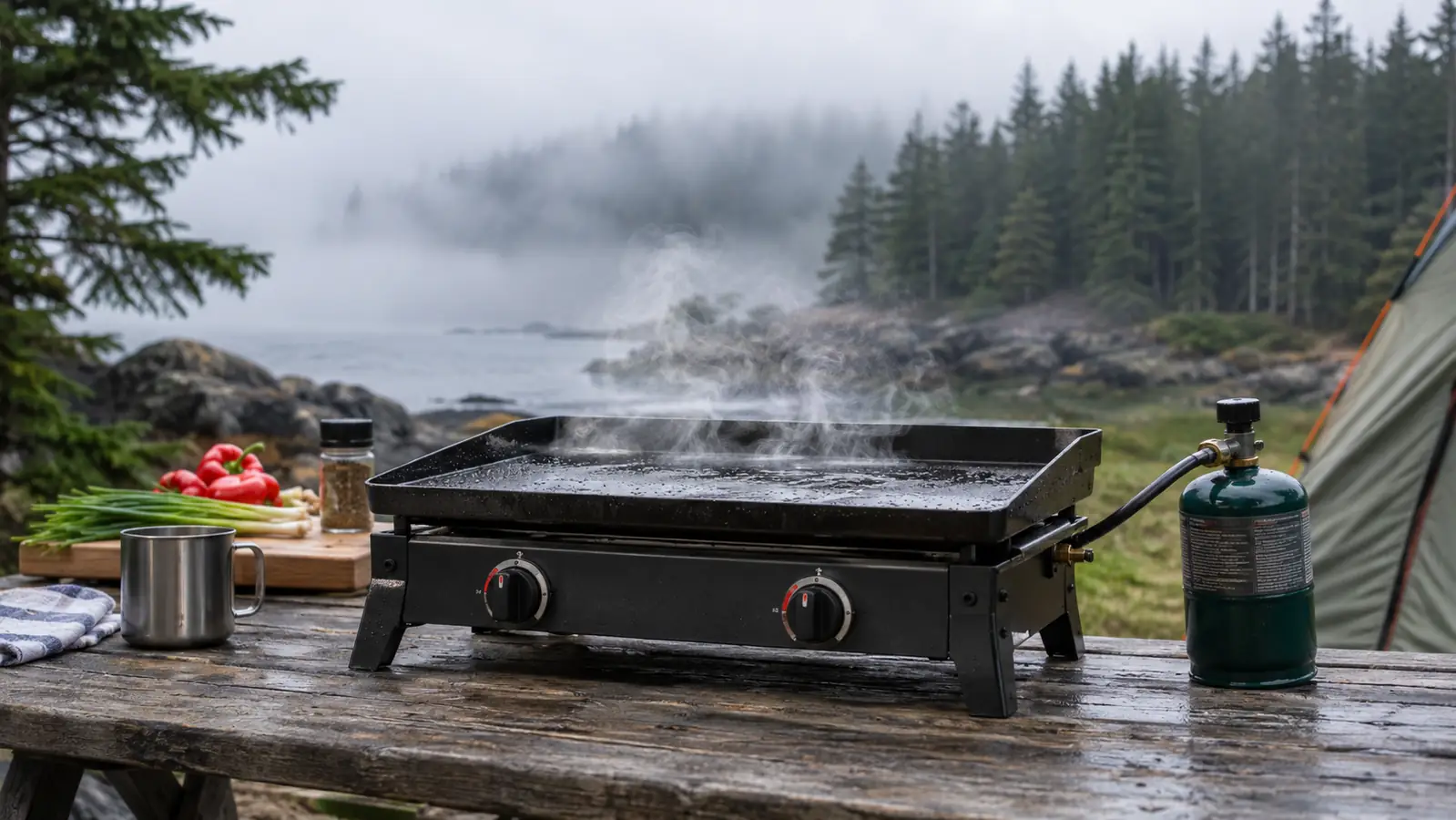
Two seasons, a wet Oregon spring, and a few band cookouts later. A plain account of what the 17 inch flat top does well, where it runs out of room, and who should buy something bigger.
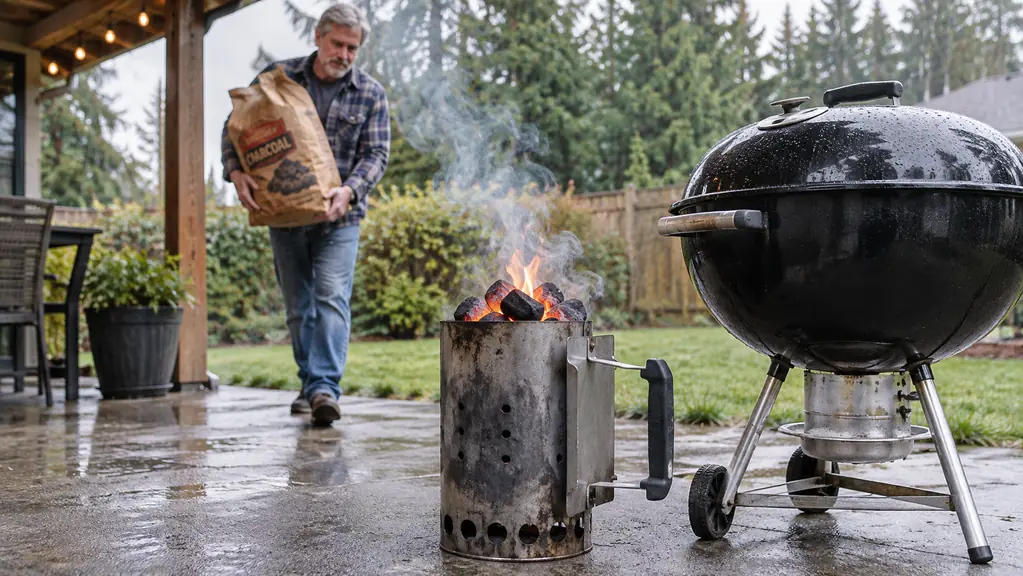
Several seasons on a covered Oregon patio and a handful of camping trips later, here is what a steel chimney starter actually does for a charcoal cook, and where it stops helping.
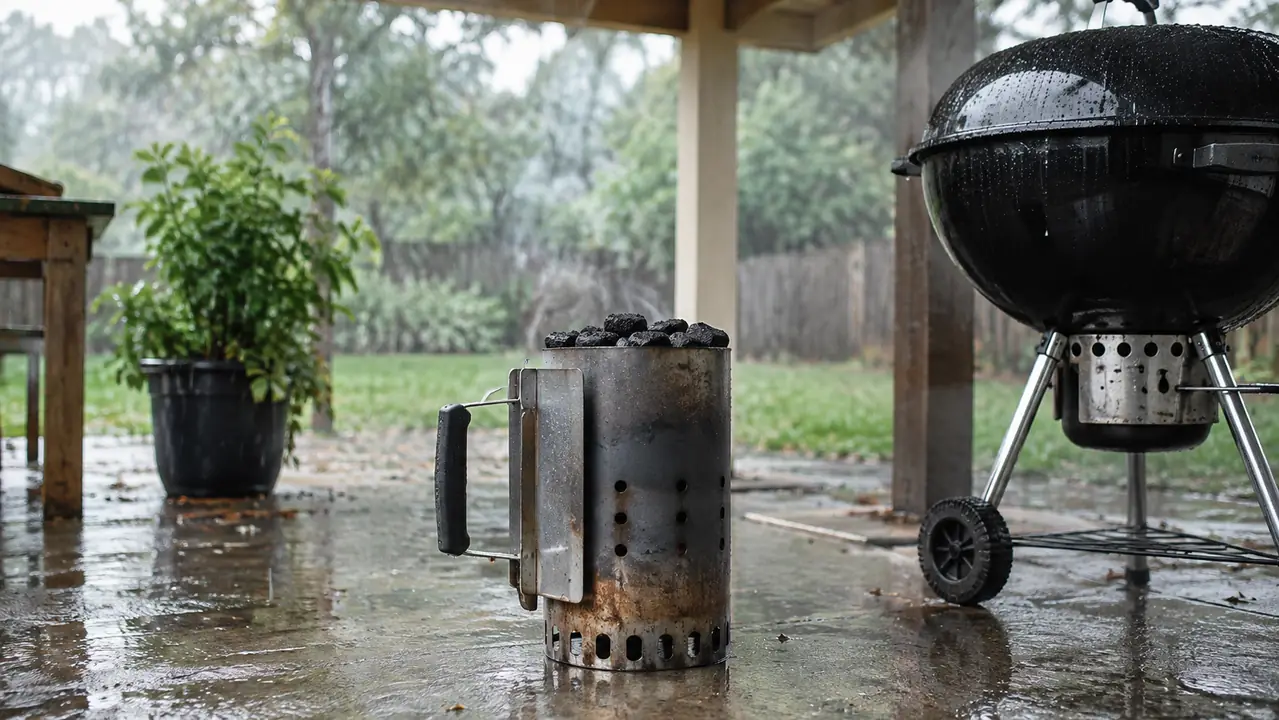
Two chimney starters, one concrete pad, and thirty years of lighting charcoal in the rain. The cheaper one is not a bad tool. It just asks more of you.
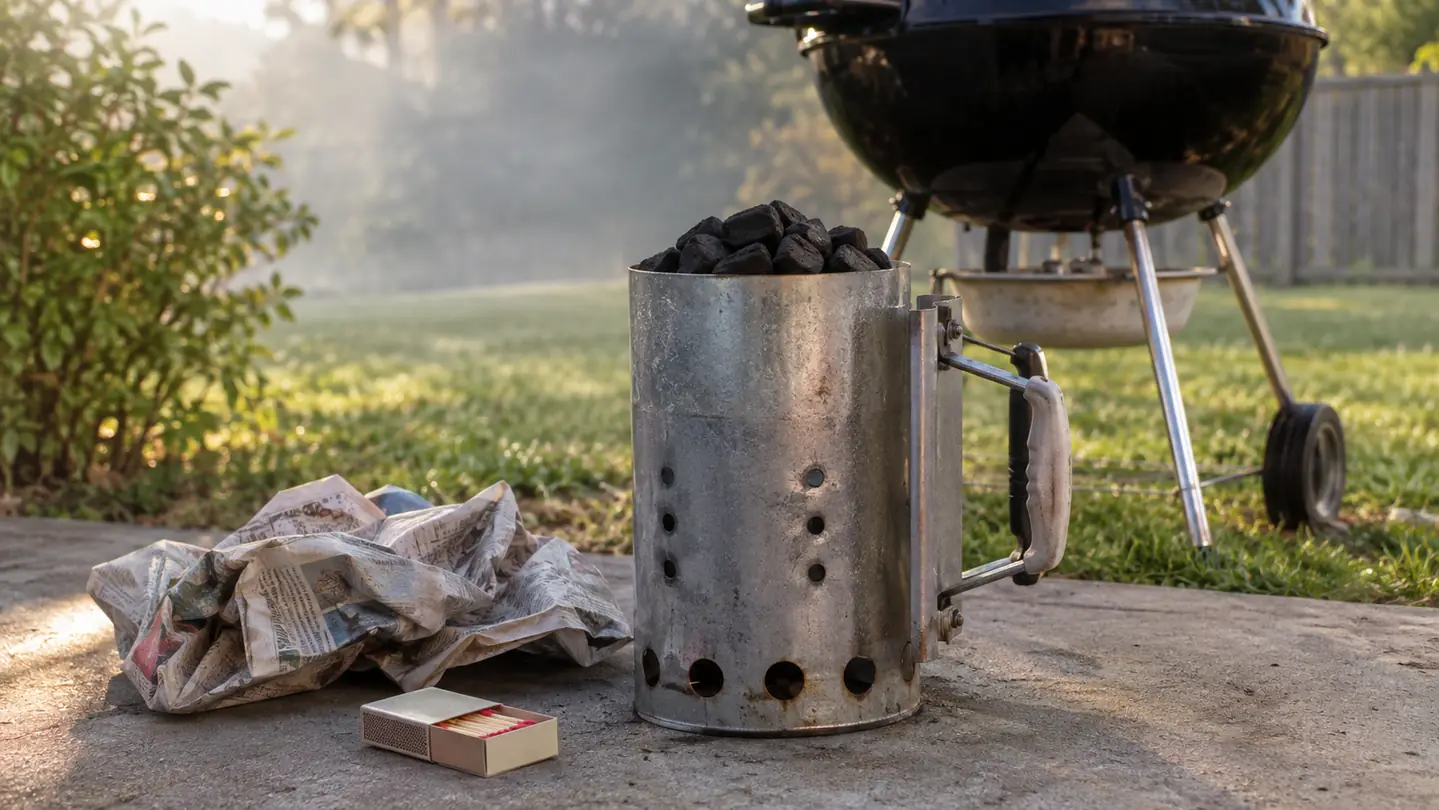
A squeeze bottle, a guess, and a flare-up that costs you an eyebrow. Here is what changed when I switched, and the ten things that made it stick.
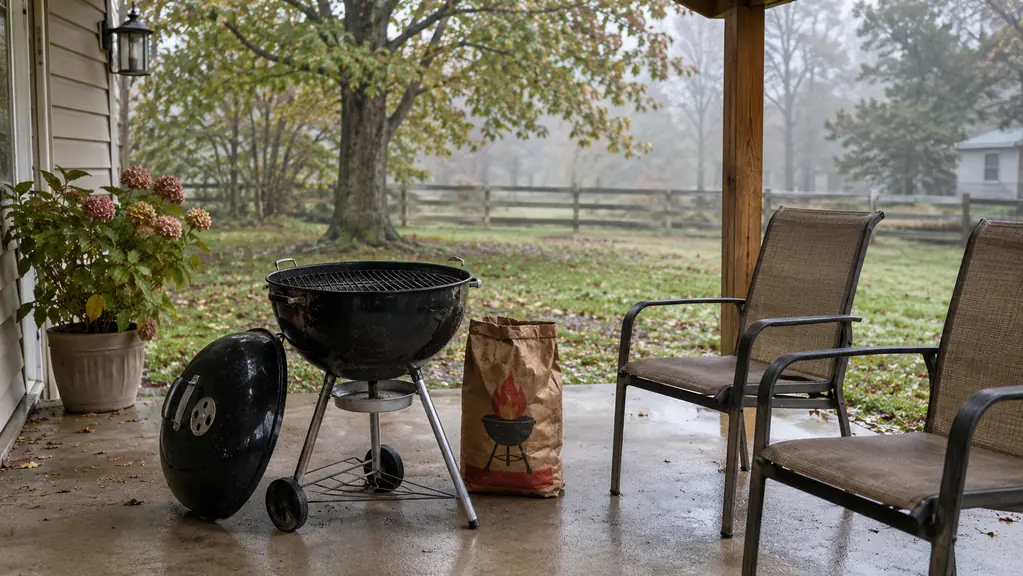
Thirty years of crouching over charcoal, undone by a steel tube and two sheets of newspaper.
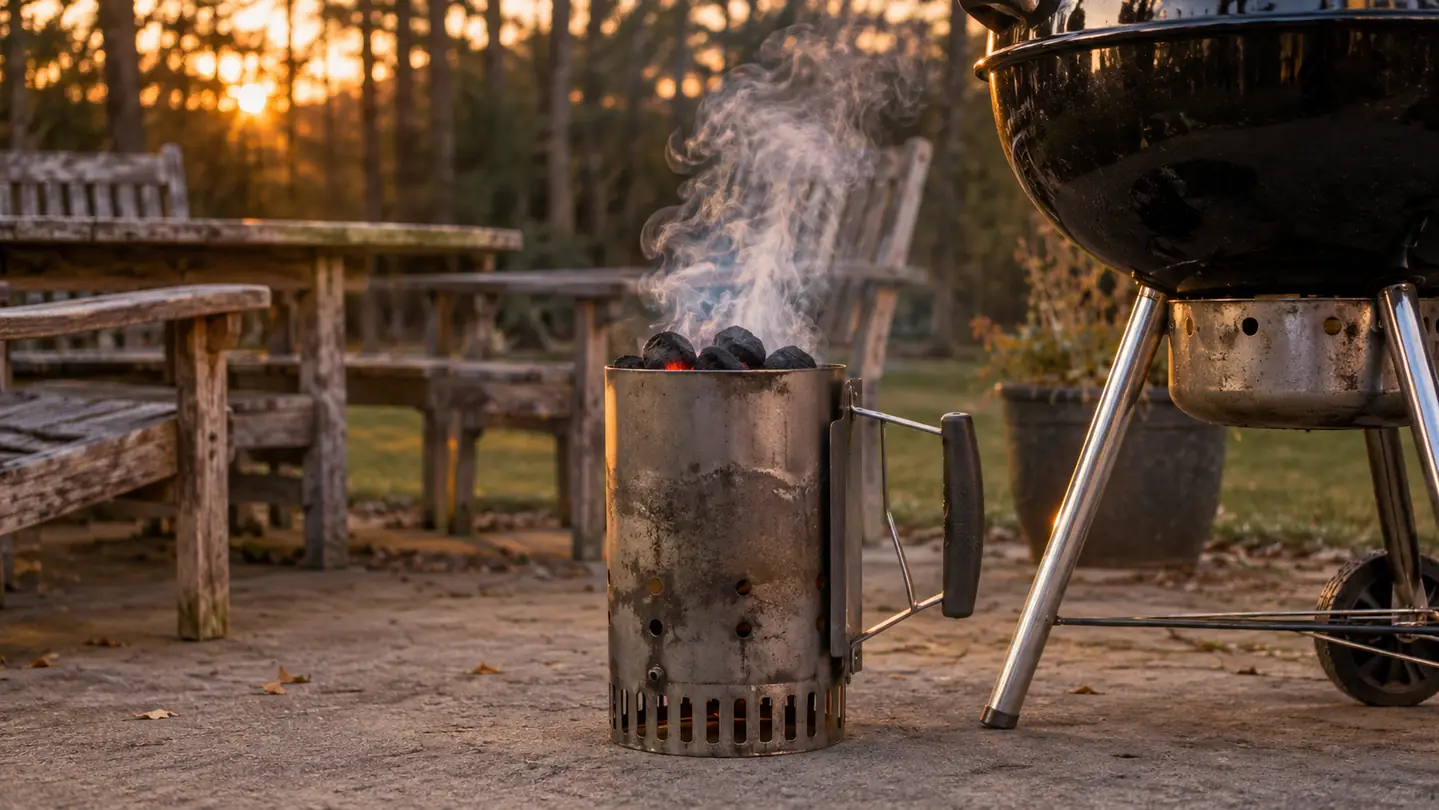
Five steps, two sheets of newspaper, and about eighteen minutes. Here is what a chimney does that a bottle of starter fluid cannot.
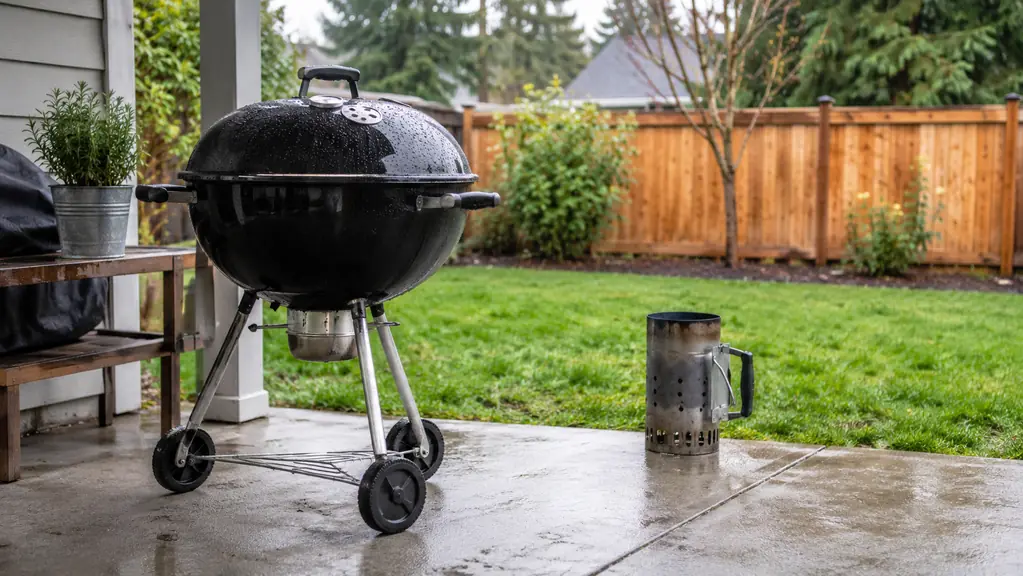
Thirty years of charcoal, one steel tube, and the four things the product photos leave out.
Two seasons in a truck bed, one wet Oregon spring under a patio cover, and an honest look at what 160 square inches will and will not cook.
Several seasons with a 14-pound charcoal box that lives behind the truck seat. The parts that earn their keep, the parts that will annoy you every single time, and the trade Weber made on purpose.
A year of pork shoulders, campfires, and one very wet February brisket, all with a single wireless probe and a phone sitting on the kitchen counter.
Six months on a Salem patio, a few camping trips, one wireless probe and a lot of chicken. Here is the part the listing skips.
Nine years, one pot, and a lot of coals. What the 6 quart Lodge actually does well, and where it will make you work for it.
Two seasons, one pot, and the parts of camp cooking nobody puts on the box.
Two years of weekends, a handful of camping trips and a lot of pancakes later, here is what the 17 inch Blackstone actually does well and where it runs out of room.
Two seasons, a wet Oregon spring, and a few band cookouts later. A plain account of what the 17 inch flat top does well, where it runs out of room, and who should buy something bigger.
Several seasons on a covered Oregon patio and a handful of camping trips later, here is what a steel chimney starter actually does for a charcoal cook, and where it stops helping.
Thirty years of charcoal, one steel tube, and the four things the product photos leave out.